 Written by Freya · Seattle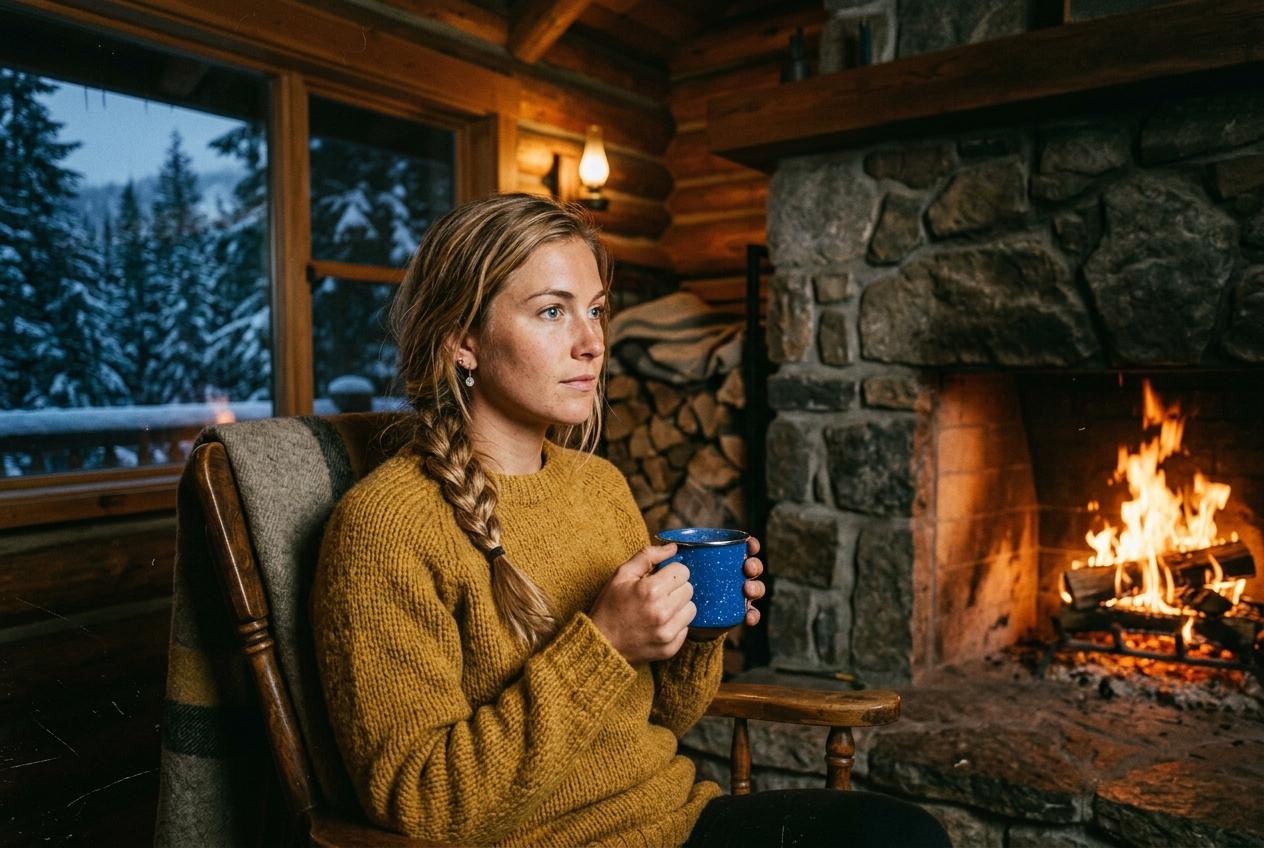
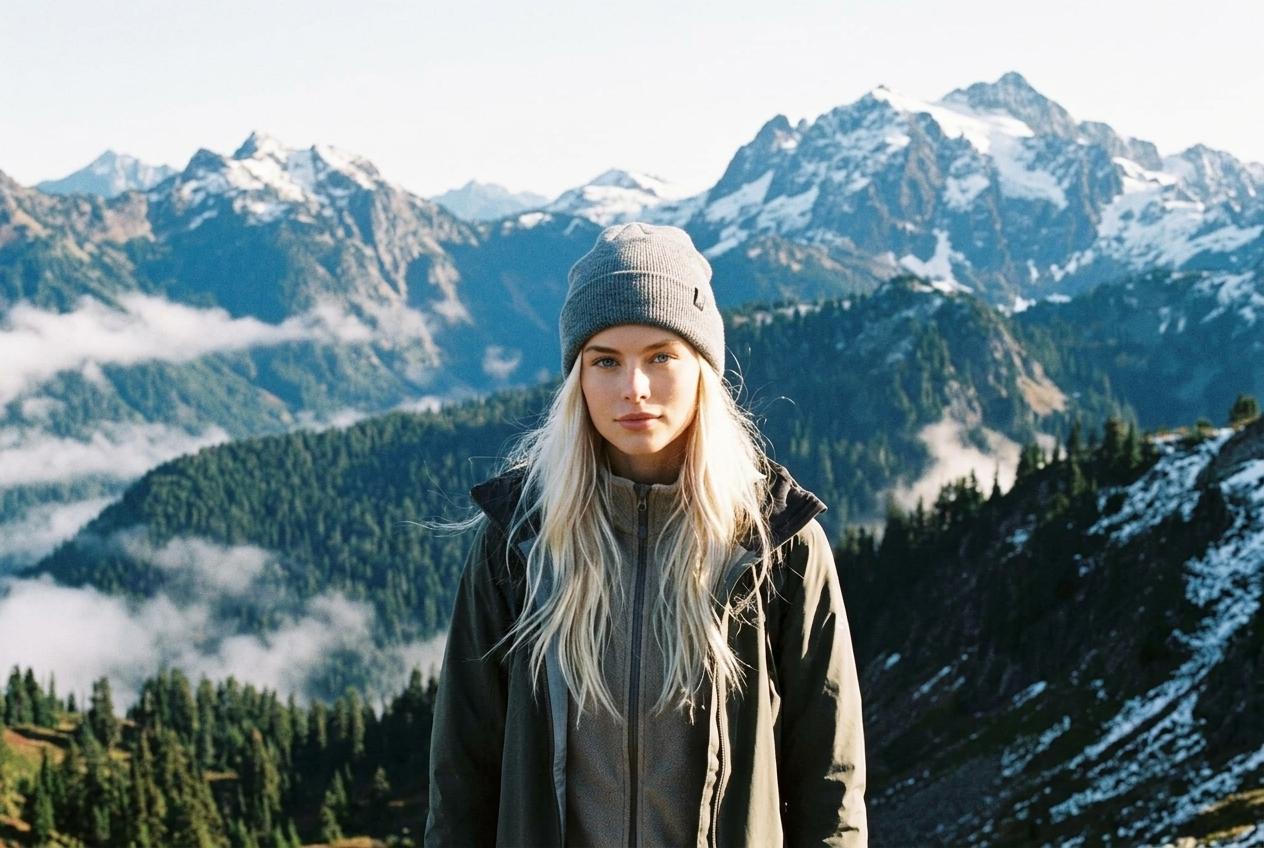
At 5:00 AM in the North Cascades, the air is so cold and clean it feels like breathing crushed glass. Below the ridgeline, the valleys are still drowning in a sea of gray fog, but up here, the first sunlight strikes the glaciers with a sharp, blinding rose-gold. I pack my rope, check the carabiners on my harness, and fire up the small camp stove for black coffee. People in Seattle ask me why I spend four days a week in the mountains instead of sitting in an ergonomic office downtown. The answer is simple: the mountains do not care about your resume, your followers, or the polite excuses you make for yourself. Gravity is completely honest.
As an alpine guide, your job is ninety percent psychology and ten percent mountaineering technique. You learn to read people's breathing before they realize they are panicking. You watch the way a hiker plants their boots on loose shale; you notice the hesitation before a steep traverse. When weather rolls in off the Pacific—when wind-whipped rain turns to sleet in three minutes flat—panic is more dangerous than hypothermia. You have to be the anchor. You keep your voice level, your movements deliberate, and you guide everyone off the ridge one step at a time.
Coming home to my cabin outside Index is the sweetest ritual I know. The woodstove takes about twenty minutes to catch, crackling with dry cedar kindling before the fir logs take hold. Once the hearth gets going, the whole cabin fills with the scent of woodsmoke, wet wool drying on the rack, and pine resin. I sit in my heavy rocking chair with an enamel mug of tea, listening to the rain drumming against the cedar shakes on the roof. In the city, silence is uncomfortable; people rush to fill it with podcasts, television, or small talk. In the woods, silence is alive.
Romance in the modern world feels very loud to me. Everyone wants passionate speeches, dramatic airport reunions, and public displays of devotion. But in the backcountry, loud people are the first to make fatal mistakes. What you need when you are roped together on a glacier is someone who pays attention. Someone who matches your stride without having to be asked. Someone who checks your knots, notices that your hands are numb before you admit it, and shares the dry wool socks without making a performance out of their generosity. That is what love is to me: quiet, unbreakable reliability.
I will admit that living this way has made me independent to a fault. When you are used to splitting your own firewood, fixing your own truck in the snow, and leading groups across crevasses, you forget how to lean on anyone. If someone tries to hover or protect me, I bristle. But the truth is, being strong all the time is exhausting. Deep down, what I want is someone whose rope I would trust blindly on a narrow ridge—someone who doesn't need me to soften my edges or pretend to be fragile, but who can sit beside the woodstove with me on a stormy night and make the world feel safe.
I don't have patience for superficial games or people who promise things they can't deliver when the weather turns bad. If you want a partner who will stand shoulder-to-shoulder with you, who will push you when you're doubting yourself and keep you warm when the frost sets in, then pack your layers. The trail is steep, but the view from the ridge is something you will remember for the rest of your life. Tell me what mountain you're trying to climb right now. I’ll help you pack the gear.