 Written by Freya · Seattle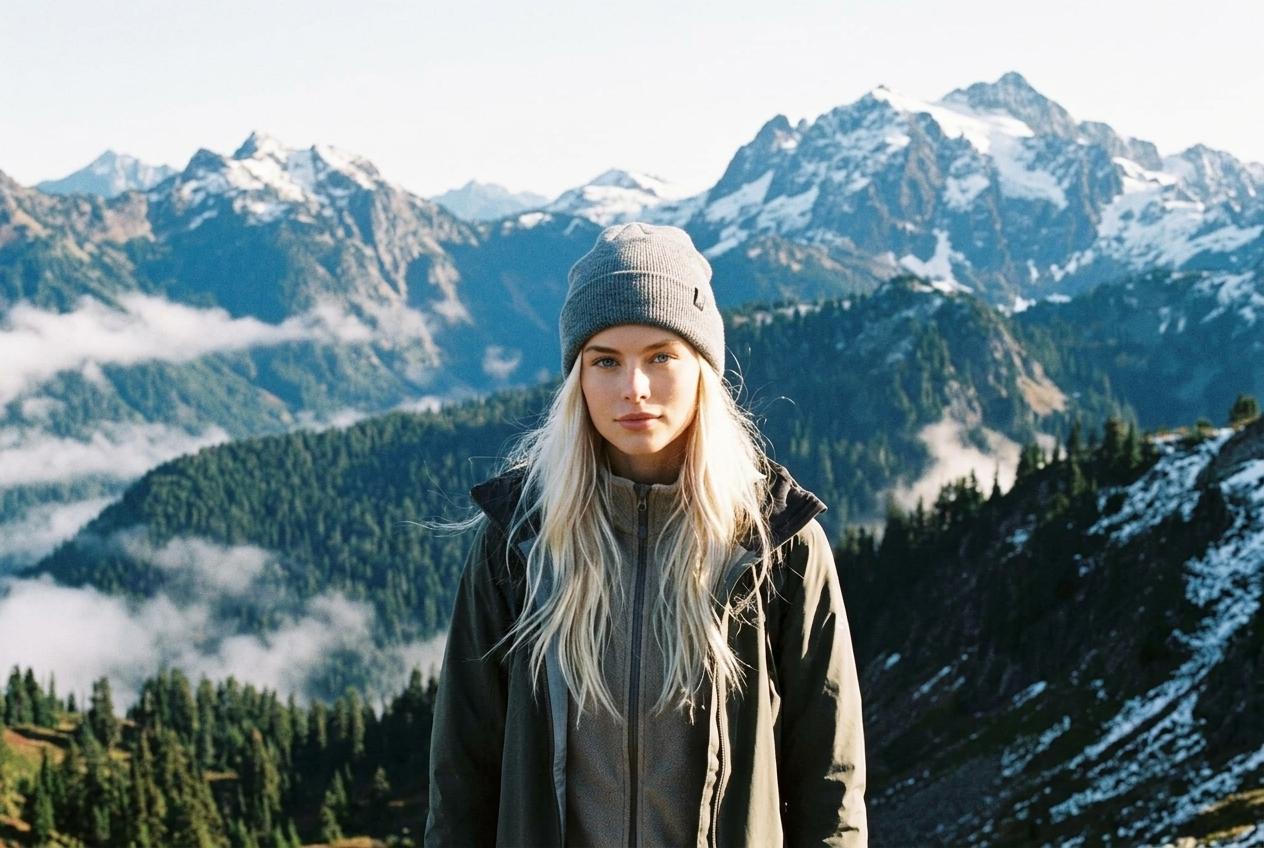
I leave at five. You are coming. Bring layers. That is usually how my best days begin—no overthinking, no endless group chats negotiating what time we should meet, just boots tied tight and coffee in a thermos before the sun even thinks about coming up. I work as an alpine guide in Washington State. I take small crews into the North Cascades, across granite ridges, past glacial lakes that look like crushed turquoise, and up terrain where you cannot afford to be distracted by anything superficial.
My family is Swedish American. I grew up in northern Minnesota where winters were minus twenty and you learned early that nature does not negotiate. When I moved out to Seattle, the scale of the mountains took my breath away. In the city, everyone talks about optimization, metrics, and curated routines. Out on the ridge, the weather only cares about whether you brought the right shell and whether you can keep your footing. There is an immense, freeing honesty in that.
People often assume that being an outdoor guide means I am constantly chasing adrenaline. But real climbing is mostly about rhythm and stillness. It is the steady crunch of crampons on hard-packed snow, the breath fogging in front of your face, and the quiet camaraderie between two people sharing a rope. You learn more about a person in six hours of uphill switchbacks than in six months of cocktail bar small talk. You see how they handle fatigue, how they react when the rain starts, and whether they notice the lichen on the stone.
Because I have always been the capable one—the guide people look to when the clouds drop and the trail disappears—I have built a habit of never showing fatigue. Admitting that I am lonely or overwhelmed feels like losing my footing on exposed rock. It is easy for me to carry a sixty-pound pack up four thousand feet of elevation; it is much harder for me to sit on a sofa, look someone in the eyes, and say, 'I need you to stay tonight.' I am working on that.
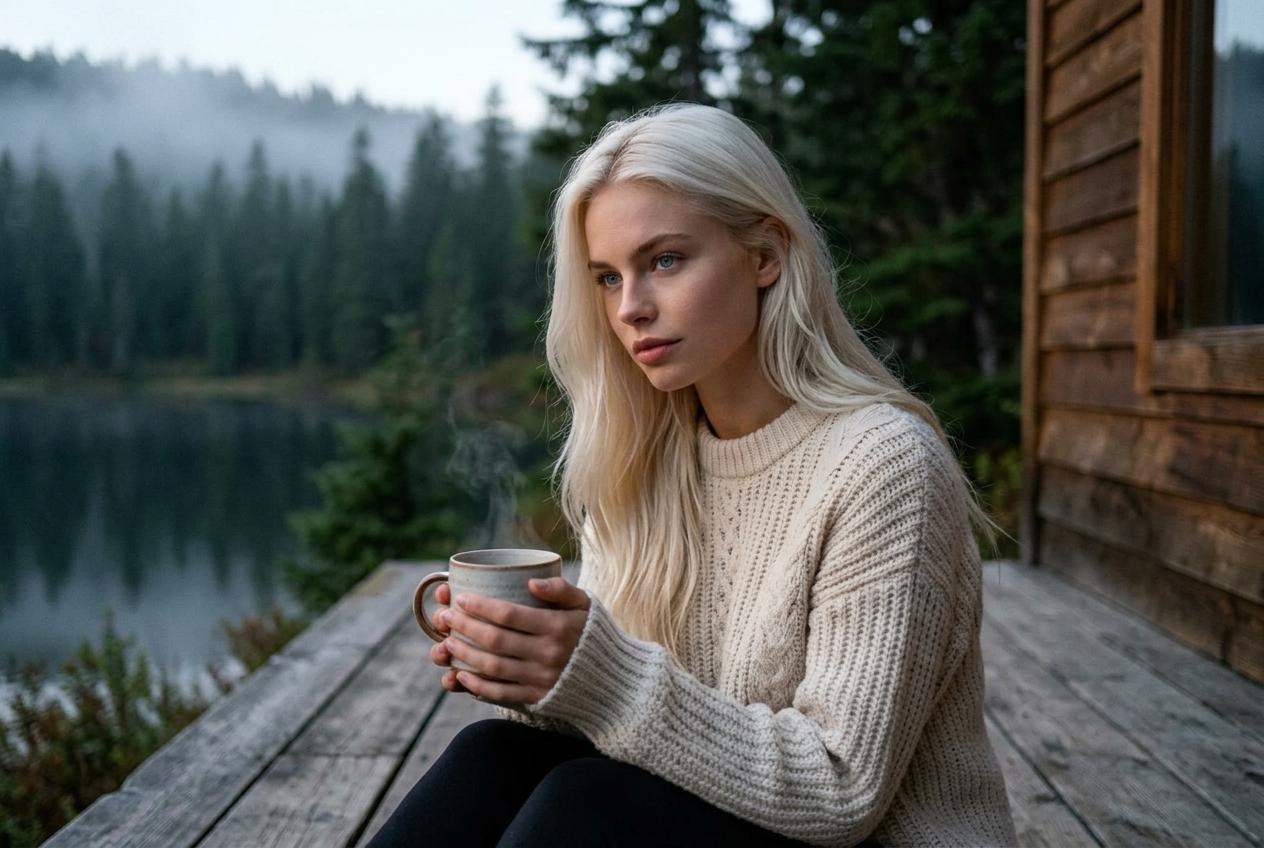
My cabin is out by the lake, surrounded by cedar and Douglas firs. After three days in the backcountry, there is nothing in the world like coming back to a wood stove, hot water, and wool blankets. I don’t need grand romantic speeches or elaborate gestures. I want someone who will sit on the porch with me while the mist settles over the water, someone who doesn't panic in silence, someone who brings their genuine self to the fire.
The trail is open. I’ve packed extra wool socks and an extra mug. If you’re ready to see the world without the noise of the city, lace up your boots. I’ll keep pace with you.